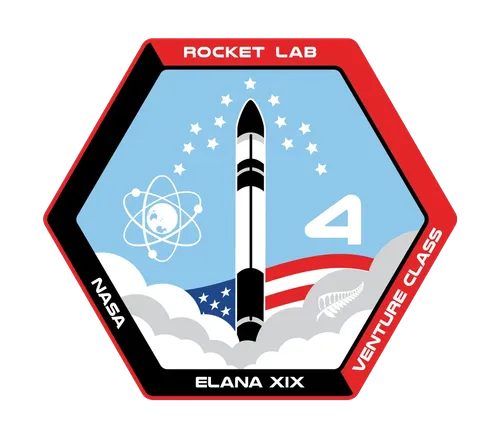
LOXSAT 1
LOXSAT 1 is an upcoming Rocket Lab Electron mission for NASA, targeting no earlier than 2026 from Launch Complex 1 on New Zealand's Mahia Peninsula.
Mission State
Rocket Lab has not published a precise launch time yet.
Coverage often appears closer to launch, especially for updated NET dates.
Launch Updates
-
NET July 17.
by Cosmic_Penguin Source: nasa.gov -
NET June 25.
by Cosmic_Penguin Source: etaspace.com -
Added launch.
by Cosmic_Penguin Source: natlawreview.com
Updates via Launch Library 2 (The Space Devs).
Name Origin
LOXSAT 1 refers directly to the primary payload, a technology demonstration satellite for Eta Space. 'LOX' stands for Liquid Oxygen and 'SAT' for Satellite, reflecting its mission to test cryogenic fluid management systems in orbit for future space exploration.
Mission Overview
LOXSAT 1 is a demonstration satellite of a complete cryogenic oxygen fluid management system in orbit, developed by Eta Space and sponsored by NASA's Tipping Point program. The system will be integrated on a Rocket Lab Photon-LEO satellite bus and collect critical cryogenic fluid management data in orbit for 9 months, demonstrating capabilities of in-space cryogenic storage and transferal. Eta Space plans to use technology developed for this mission to develop a truly commercial depot intended to serve multiple customers in the future.
Technical Details
Jellyfish likelihood
Too early to tellToo early to tell — depends on the final launch time.